
Planning Home Extensions in the Snowy Mountains Climate
Planning home extensions in the Snowy Mountains is not the same as adding a room in a milder area. The climate here is tougher, with cold winters, heavy snow, and strong sun in summer, so your extension has to work harder all year round. Good planning means your new space feels warm, dry, and comfortable without wasting energy or wearing out too fast.
Home extensions in this region benefit from designs and construction methods that suit the unique alpine environment. The goal is for your extension to look good, feel comfortable, and handle the local weather for many years, starting with smart design choices before any building work begins.
Understanding the Snowy Mountains Climate Demands
The Snowy Mountains climate shapes every design decision. If it is ignored, you can end up with cold rooms, leaks, and ongoing issues. If it is carefully considered, your home extension can become one of the most liveable parts of the house.
Key climate factors include:
- Heavy snow loads on roofs and decks
- Strong winds that drive rain and snow sideways
- Icy conditions on paths, entries, and outdoor areas
- Intense winter cold and bright, high-UV summers
These conditions affect structure and detailing. Roofs often need:
- A pitch that sheds snow instead of holding it
- Extra framing strength to carry snow when it does build up
- Thoughtful placement of valleys and gutters so ice does not block drainage
Waterproofing and drainage are just as important. Flashings, membranes, and gutter systems need to deal with meltwater that freezes overnight, then thaws again. Effective design helps snow slide off safely, keeps entrances clear, and directs water away from the building.
Seasonal planning also matters. Many homes benefit when:
- Design and approvals start in the cooler months
- Construction is lined up with the main building season
- Access, road conditions, and holiday traffic are factored into the program
This way, you are not trying to pour slabs in deep frost or frame roofs in the worst weather.
Smart Design Principles for Cosy, Efficient Extensions
In an alpine climate, a home extension is a chance to improve the comfort of the whole house, not just add floorspace. Passive solar design is a key consideration. Where possible, new living areas can be:
- Oriented to capture low winter sun
- Protected from harsh west sun in summer
- Planned with eaves or shading to keep summer heat out while letting winter sun in
Glazing and insulation choices make a significant difference. For the Snowy Mountains, it usually makes sense to think about:
- Double or even triple glazing to reduce heat loss and noise
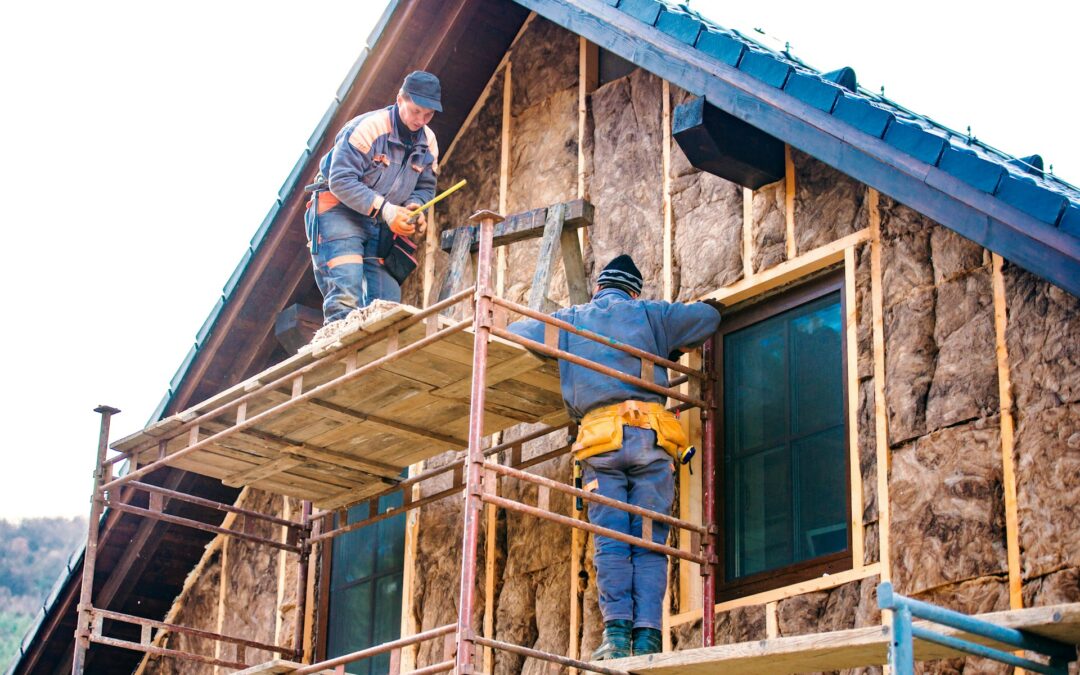
- High R-value insulation in walls, roofs, and under floors
- Careful sealing of gaps to limit draughts and heat leakage
- Thoughtful detailing for condensation control so you do not end up with mould in corners or inside walls
Function also matters in alpine living. Many homes work better when extensions include:
- A mudroom near the main entry
- Storage for skis, boards, boots, and winter clothing
- A drying area for jackets and gear, away from main living spaces
- Simple, direct circulation between old and new areas so you are not dragging snow through the whole house
A well-planned link between the existing home and the extension can improve flow, light, and comfort across the entire layout.
Choosing Materials Built for Snow and Sun
Materials in the Snowy Mountains work hard. They face freeze-thaw cycles, snow sliding off roofs, strong wind, and harsh UV. The right choices can reduce maintenance and extend the life of your extension.
For exteriors, it is worth thinking about:
- Cladding that resists moisture, movement, and sun damage
- Roofing profiles that shed snow and are easy to keep watertight
- Long-lasting finishes that cope with temperature swings
Fire and weather planning often overlap in this region. It can be effective to choose:
- Metal roofing for fire resistance and snow performance
- Ember-resistant external materials for walls and eaves
- Suitable window frames and glazing that help with both heat control and fire safety
- Decking that handles wet boots, UV, and potential embers
Inside, finishes need to stand up to wet gear, kids, pets, and frequent heating. Good options often include:
- Hardwearing flooring in entries, mudrooms, and circulation areas
- Moisture-resistant linings in gear areas and bathrooms
- Joinery that can handle changes in temperature and humidity without swelling or warping
Choosing materials with this climate in mind helps your extension stay solid, easy to clean, and good-looking for longer.
Planning Approvals, Budgets and Timelines
Extensions in the Snowy Mountains sit within specific local council rules. These can include:
- Structural requirements for snow loads on roofs and external structures
- Design controls in some areas, covering form, bulk, or finish
- Drainage and site management expectations for sloping or exposed blocks
Budget planning in an alpine area can differ from other regions. There may be extra costs linked to:
- Site access and storage for materials on steep or snow-prone blocks
- Specialised materials and systems that suit the climate
- Heating systems that match the size and performance of the new extension
- Possible weather-related delays that affect the build program
Timing is just as important as cost. It often helps to:
- Lock in design decisions early so approvals are not rushed
- Plan work around winter conditions and peak holiday traffic
- Allow some flexibility for weather so quality is not compromised to hit a date
A clear plan from the start can reduce stress, keep the project moving, and help everyone understand what to expect.
Working with Local Expertise
Engaging building and design professionals who understand Jindabyne and the wider Snowy Mountains region can make the process smoother. Local knowledge of climate, trades, suppliers, and council expectations can save time and reduce the risk of issues during construction.
Experienced local teams can help shape ideas, refine designs to match the site and climate, and coordinate approvals and construction so the finished extension feels like it has always been part of the home.
Get Started With Your Project Today
If you are thinking about transforming your property with thoughtfully designed home extensions in the Snowy Mountains, we would be pleased to discuss what is possible. At Lean2 Constructions, we work closely with you to understand your lifestyle, budget and site conditions so your extension feels like a natural part of your home. Share your ideas with us and we will help you refine the design and outline the next practical steps. To arrange a consultation or ask any questions, simply contact us.