
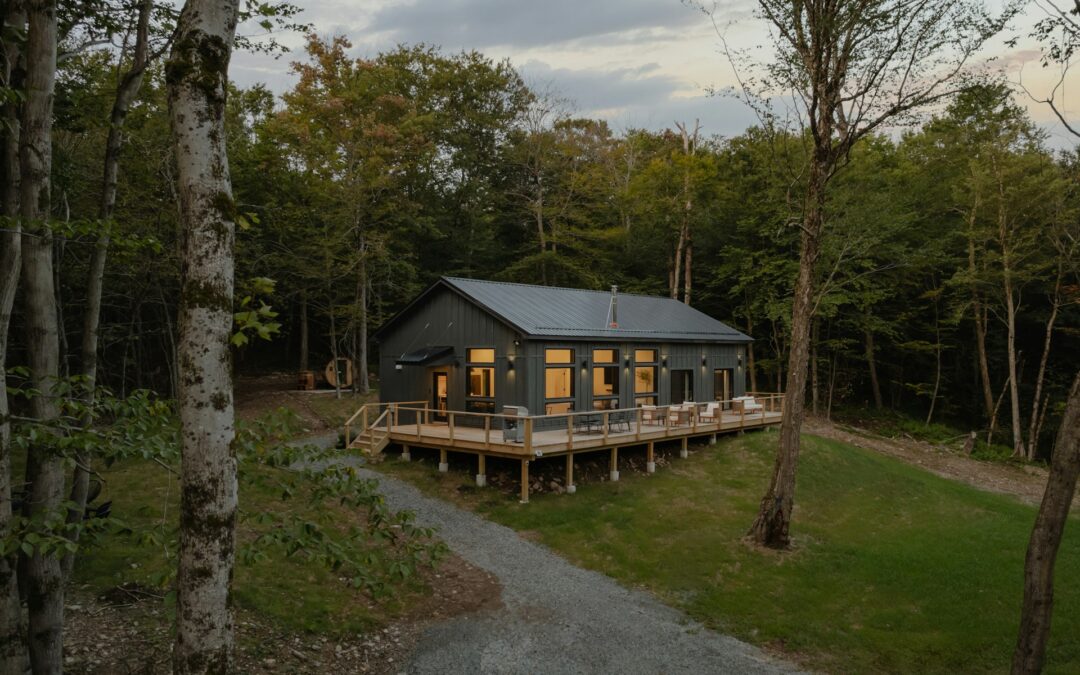
Make Your Sloping Block a Snowy Mountain Asset
A sloping block in Jindabyne can feel like a headache when your family and lifestyle start to outgrow your home. Steep driveways, awkward backyards, and tight parking can make you think you need to move. In many cases, though, a smart extension can turn that tricky slope into an advantage.
With the right design, home extensions in Jindabyne can unlock extra living space, bigger views and better connection to the outdoors, all while working with the land instead of fighting it. On a hillside, every metre of height can mean more sunlight, stronger views of Lake Jindabyne and the mountains, and more privacy from the street.
Local alpine conditions shape how homes perform, including snow loads, cold winds and the impact of building on a slope. The sections below outline practical ways to use a sloping block to your benefit, from layout ideas and structural considerations to weather, drainage and timing your project for the right time of year.
Turning a Steep Site Into Liveable Space
On a slope, the goal is often to step the home carefully down the hill instead of forcing a big flat pad. This opens up layout options that feel natural and comfortable to live in.
Some smart ways to plan an extension on a sloping block include:
- Split-level additions that shift half a level up or down, creating short runs of stairs instead of one big climb
- Stepped floor plates that follow the natural fall, so each zone feels grounded and connected to the land
- Undercroft spaces under raised floors, suitable for garages, storage, workshops or mudrooms
By lifting parts of the extension, it is possible to achieve vehicle access and storage at the lower level and light-filled living areas above. Higher levels can be oriented toward lake or mountain views, with glazing positioned to capture the best outlooks while maintaining privacy from neighbours.
Orientation matters a lot on a hill in Jindabyne. It is usually beneficial to:
- Open living areas to the north for winter sun
- Protect outdoor spaces from cold westerly winds with solid walls or screens
- Angle decks and windows to capture water views without turning the home into a wind tunnel
Zoning also comes naturally on a slope. A few short stairs between levels can neatly separate a:
- Guest wing or self-contained area for visitors
- Kids’ or teen zone that is close by but not directly on top of the main living area
- Quiet home office positioned either up high with views or down low with easy access
When the layout follows the land, day-to-day living can feel easier and the house can feel better integrated with the site.
Designing for Snow, Frost and Mountain Weather
In Jindabyne, extension design is always shaped by alpine weather. A good view is not enough if the home is cold, draughty or hard to maintain in winter.
Snow and frost put extra weight and stress on roofs and structures. Roof shapes, spans and supports all need to be considered so they can:
- Carry expected snow loads
- Shed snow safely away from paths and decks
- Reduce ice build-up around gutters and downpipes
Materials and the building envelope matter just as much. On a sloping block, parts of the house can be more exposed to wind and cold, so it is important to consider:
- High-performance glazing that helps retain heat while framing views
- Effective insulation in walls, roofs and floors, especially over any undercroft areas
- Airtight detailing that reduces draughts
- Cladding that copes with snow, ice and strong UV at altitude
Practical mountain-living details also make winter life smoother:
- Protected entries so you are not standing in sleet while finding your keys
- Drying areas near the door for wet jackets, boots and gloves
- Ski and gear rooms with room for tuning benches, racks and storage
- Circulation spaces that feel warm underfoot, with sensible lighting and handrails for icy mornings
Designing for these small but important moments helps an extension feel tailored to real life in the Snowy Mountains.
Smart Structure and Drainage on a Sloping Block
On a steep site, the structure under the extension is just as important as the spaces used every day. The ground can move, water can run quickly, and access can be tight, so planning needs to be careful and specific to each block.
Common structural solutions for sloping sites include:
- Piers and posts that lift the building off the ground and follow the natural fall
- Retaining walls that hold back earth safely where level areas are required
- Engineered subfloors that spread loads and allow for soil movement
Good drainage is critical on a hillside, especially with snowmelt and heavy rain. It is important to assess how water flows across the land and plan ways to:
- Direct water away from the house with appropriate falls and hard surfaces
- Use swales or shallow channels to slow and guide surface water
- Install subsurface drains to collect water before it pressures retaining walls or saturates the soil
Access for construction also needs consideration from the outset. On a slope, machinery placement, material delivery and spoil removal can be challenging. A clear build sequence helps to:
- Keep machinery movements safe and efficient
- Reduce damage to existing gardens and paths
- Limit how long parts of the site are disturbed
All of this structural and drainage planning sits in the background, but it is what keeps a hillside extension feeling solid and dry over the long term.
Adding Value Through Flexible Mountain Living
Well-planned home extensions in Jindabyne can significantly improve both daily life and future resale. The slope can offer opportunities that a flat site often cannot.
Extra space might provide:
- New bedrooms that make room for a growing family
- A self-contained guest suite for visitors or holiday guests
- Flexible dual-living options that can adapt as needs change
Outdoor connections are another major benefit. Decks, terraces and balconies can step with the land to:
- Capture morning or afternoon light
- Create wind-sheltered spots for winter sun
- Extend living areas out toward the views
Storage is also important in a mountain town. When planning an extension, it is a good time to allow for:
- Dedicated space for snow gear and winter clothes
- Secure storage for bikes, boards and camping gear
- Room for boats or trailers, integrated under or beside raised structures
When all of these elements are considered together, an extension can do more than add floor area; it can support the way people actually live in Jindabyne.
Planning Your Jindabyne Extension Before Winter Sets in
For many homeowners, early autumn is a practical time to start planning an extension. The weather is often more settled, the busy summer holiday period is easing, and there is time to work through design and approvals before winter sets in.
Early steps usually include:
- A careful site assessment so the slope, access and views are properly understood
- A clear budget discussion to align the wish list with what the block can support
- A concept design workshop with a local building professional who understands alpine conditions and sloping sites
With thoughtful planning and a design approach tailored to mountain conditions, a steep or uneven block in Jindabyne can become a comfortable, flexible home that fits the land, the climate and long-term lifestyle plans.
Get Started With Your Project Today
If you are ready to add more space and value to your home, our team at Lean2 Constructions is here to help plan and deliver your ideal result. Explore how our home extensions in Jindabyne can be tailored to suit your lifestyle, block and budget. We will work with you from first ideas through to completion so the process feels clear and well managed. To discuss your project and book a consultation, simply contact us.