
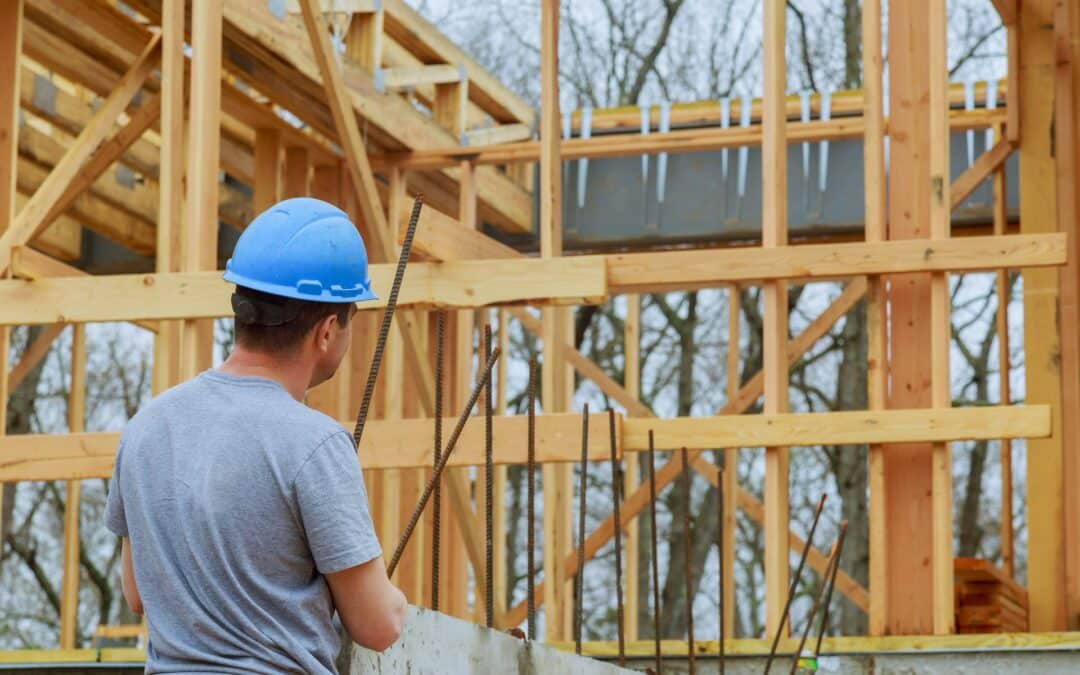
Make Your Jindabyne Home Extension Winter-Ready
Extending a home in Jindabyne is not the same as adding a room in a mild coastal suburb. Our winters bring snow on roofs, icy winds across the lake, and long stretches of sub-zero nights. All of this changes how we design, build, and finish home extensions in Jindabyne.
In this guide, we will talk through what makes alpine building different, what usually affects the cost of home extensions in Jindabyne, and how to plan so your extension feels warm, dry, and comfortable all year. We will also look at seasonal timing, common extension types, and the kind of choices that help you avoid surprises later.
Key Cost Drivers for Home Extensions in Jindabyne
The Snowy Mountains climate puts extra pressure on both structure and finishes. A big part of your budget goes into making sure your new space stands up to local conditions and feels good to live in.
Key things that often affect cost include:
- Site access and slope
- Climate and exposure
- Design size and shape
- Structural and compliance needs
Site and climate play a big role. Roofs need to handle snow loading, not just rain. This often means stronger framing, closer rafter spacing, and careful detailing around gutters and valleys. Extra insulation in walls, ceilings, and floors is usually needed to keep the cold out and the heat in. On exposed blocks, wind can push heat out quickly, so airtight construction and good sealing become more important.
Design complexity and size also matter. A simple single-storey box with a standard roof will generally cost less than a multi-level extension with lots of angles, big decks, and feature glazing. Many local homes aim to capture mountain and lake views, which often means:
- Larger windows and sliding doors
- Higher ceilings and open-plan living
- Covered outdoor decks and entries
All of these add structure, framing, and finishing work.
Then there are structural and compliance costs. Alpine conditions usually call for more detailed engineering, including:
- Snow loading calculations
- Bushfire Attack Level (BAL) considerations where they apply
- Energy efficiency requirements for colder climates
- Approvals through Snowy Monaro Regional Council
Each of these adds design time, paperwork, and sometimes extra materials, which all feed into the final figure.
Typical Price Ranges for Popular Extension Types
Every project is different, so we will keep this section general and focus on what can affect where your project might sit on the spectrum, rather than listing numbers.
Ground floor living extensions are common for growing families or anyone wanting more space. Typical additions include living rooms, extra bedrooms, and mudrooms. In Jindabyne’s snow climate, a simple rectangle off the existing house will usually be at the lower end of the cost range, while designs with:
- Complex roofs
- Large sliding doors or corner windows
- Extensive decks or covered entries
tend to sit higher. Inclusions usually include structure, insulation, linings, flooring, and basic electrical and lighting, but heating systems, joinery, and landscaping can all vary a lot.
Kitchen and bathroom extensions or enlargements often sit higher per square metre than a plain bedroom. Alpine-ready kitchens and bathrooms may include underfloor heating, better ventilation to deal with condensation, and finishes that handle heavy winter use. Things that typically increase cost include:
- Quality tiles and stone surfaces
- Custom joinery and storage
- Higher performance exhaust fans and windows
Second storey and loft additions can be a smart choice on compact or sloping sites where you do not want to lose yard space. Going up normally means more structural work to support the extra load, possible upgrades to the existing frame, and new staircases. Access and safety are also trickier on upper levels, which can add to labour time.
Seasonal Planning for Home Extensions in Jindabyne
Building in a snow town needs good timing. Winter and the shoulder seasons affect both how the work is done and how long it takes.
Snow, frost, and short days can slow down site works. Concrete takes longer to cure in cold weather. Frozen ground and icy access can make excavation and deliveries tricky. Even when work continues, crews may have shorter, safer working windows, which affects labour time.
Many homeowners plan approvals and design work during the colder months, then aim to start major building in the drier, lighter part of the year. This can help with:
- Better ground conditions for excavation
- Fewer weather delays on framing and roofing
- Easier access for trades and deliveries
To stay on budget and on schedule, it helps to plan for alpine realities. Helpful strategies include ordering key materials early so they are on hand when needed, allowing some contingency in timing for weather delays, and staging works so your home stays liveable during busy ski periods when you might have guests or holiday bookings.
How Design Choices Affect Cost and Comfort
In Jindabyne, design is about more than how a room looks. The choices you make now will affect how your extension feels in the middle of winter and what it costs to run year after year.
Thermal performance is a big one. Higher levels of insulation, quality double or even triple glazing, and better airtightness all add up front. Heating choices such as hydronic or electric underfloor systems, wall heaters, or split systems also vary in supply and install cost. The trade-off is that a warmer, tighter home usually feels more comfortable and can reduce long-term heating bills.
Material and finish choices matter in snow country too. Popular alpine options often include:
- Metal roofing that sheds snow and resists ice
- Durable cladding that handles moisture and temperature swings
- High-performance windows that reduce condensation
- Tough flooring such as tiles or engineered boards that cope with mud and gear
Basic products might cost less at the start but may not stand up as well to wet boots, ski gear, and big temperature shifts.
Layout and storage can make daily life much easier without going overboard. Thoughtful additions in home extensions in Jindabyne can include:
- A mudroom near the main entry
- Dedicated ski and bike storage
- Drying cupboards or small drying rooms for gear and clothing
These spaces do not have to be huge or fancy, but planning them into the design from the start is usually more cost-effective than trying to add them later.
Getting Accurate Quotes for Home Extensions in Jindabyne
To get useful, realistic quotes, you need a clear brief. It does not have to be technical, but it should set out:
- Which rooms or spaces you want to add or change
- How you want the extension to perform in winter and summer
- Your preferred level of finishes
- A rough budget range that feels comfortable
When comparing quotes, it is important to look beyond the total figure. Check what is included and excluded, such as:
- Site works and retaining
- Allowances for rock excavation
- Heating systems and electrical fittings
- Joinery, built-in storage, and wardrobes
- Decking, paths, and basic landscaping
This helps you make sure you are comparing like for like, not one complete quote against another that leaves big items out.
Working with a local alpine-focused builder helps because they are used to the Snowy Mountains climate and council processes. At Lean2 Constructions, we build in and around Jindabyne, so we understand the extra steps needed for cold weather, snow loads, and regional approvals. That experience can make a big difference when it comes to planning realistic timelines and aligning design choices with your budget and comfort goals.
Get Started With Your Project Today
If you are ready to add more space and comfort to your home, we can help you plan and build thoughtfully designed home extensions in Jindabyne. At Lean2 Constructions, we take the time to understand how you live so your new space feels seamless and practical. Share your ideas with us and we will guide you through the process, from concept to completion. To book a consultation or ask a question, simply contact us.